AAAA Sets New Standard for ADAS Safety with Launch of Vehicle Modification Code
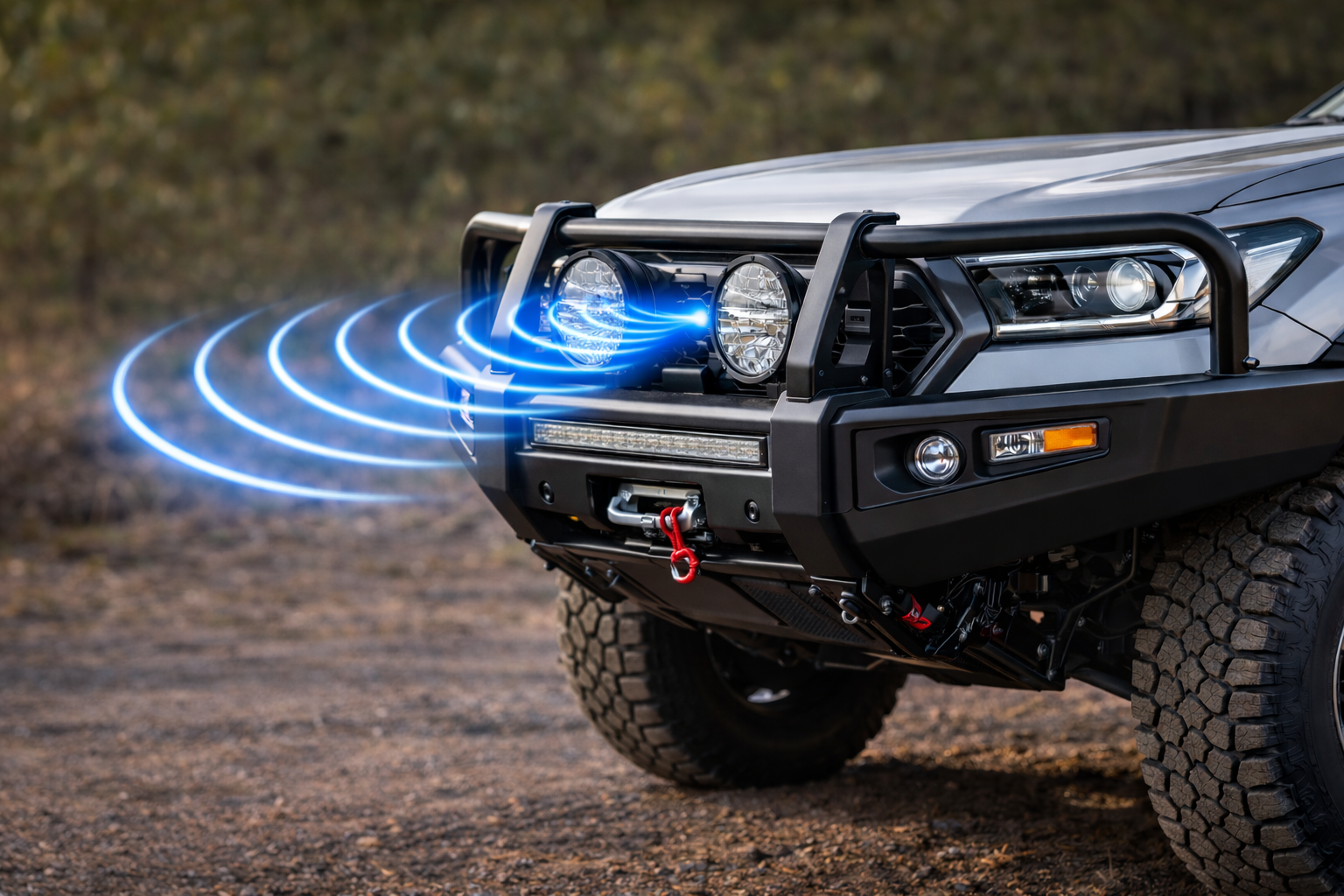
The Australian Automotive Aftermarket Association (AAAA) has officially launched the ADAS Vehicle Modifications Code of Conduct, introducing a standardized test protocol to ensure Advanced Emergency Braking (AEB/AEBS) systems remain fully functional following common vehicle upgrades.
The Code provides vehicle modifiers, engineers, and certifiers with a repeatable, evidence-based approach to validate safety compliance when modifications to suspension, mass, tyres, or frontal protection systems are made. By clarifying when recalibration is required, the Code helps industry professionals maintain ADR 98 compliance without the need for full first-stage approval testing for every minor modification.
Stuart Charity, CEO of the AAAA, emphasized that as vehicles become more technologically advanced, the aftermarket industry must evolve alongside them.
“The Australian aftermarket has a proud tradition of making vehicles fit for purpose—whether for trade, towing, or off-road touring. That isn’t going away,” said Stuart Charity. “However, vehicles are increasingly defined by safety technologies designed to reduce the road toll, especially ADAS. Our responsibility is simple: if we modify vehicles, we must protect the integrity of those critical safety functions.”
Luke Truskinger, Managing Director of the Auto Innovation Centre (AIC), highlighted the need for objective verification in this space.
“The Code sets out a repeatable post-modification verification method for Advanced Emergency Braking,” said Luke Truskinger. “It enables objective checks that AEB functionality is retained and performing as intended. This new working group is a ‘deliverables group,’ focused on developing a contemporary, standardized test protocol for airbag compatibility that can be adopted nationally.”
The Code was developed by an expert technical working group, with rigorous testing and drafting performed by the Auto Innovation Centre.
In addition to the ADAS modification code, the AAAA has announced a new Technical Working Group (TWG) on Airbag Compatibility Testing for bull bars. This initiative aims to provide a clear, national definition of “airbag compatible”—a term currently used widely but inconsistently across the industry.
The TWG is tasked with bringing together bull bar manufacturers, engineers, test facilities, certifiers, and regulators to define ‘airbag compatible’ in a way that is scientifically testable and to establish a contemporary, standardized test protocol for national adoption—ensuring that frontal protection systems meet modern safety expectations while providing clarity for businesses and vehicle owners alike.
The AAAA is calling for businesses with “skin in the game”—including designers, manufacturers, and engineers—to register their interest in the working group to help shape these vital industry standards.
ADAS Vehicle Modifications Code of Conduct – HERE
Airbag Compatibility TWG Expression Of Interest – HERE