
Australia Must Ensure New Vehicles Can Be Repaired, Not Just Driven
AAAA calls for stronger parts supply arrangements and a competitive replacement parts market as new vehicle brands enter Australia.
The Australian Automotive Aftermarket Association (AAAA) is calling on the Federal Government to examine whether Australia’s vehicle approval and consumer protection arrangements provide sufficient assurance that replacement parts will be readily available, including through Australia’s independent automotive aftermarket.
With an expanding range of vehicle brands entering the Australian market, AAAA says manufacturers must support not only the vehicles they sell, but also the competitive parts supply chains that keep them on the road.
AAAA Chief Executive Officer Stuart Charity said consumers should be able to purchase a new vehicle with confidence that it can be repaired when something goes wrong, without being unnecessarily dependent on a single manufacturer-controlled parts network.
“Australia rightly scrutinises whether a vehicle is fit to be sold and driven on our roads. We should also be asking whether its manufacturer is prepared to support it once it’s on the road,” Mr Charity said.
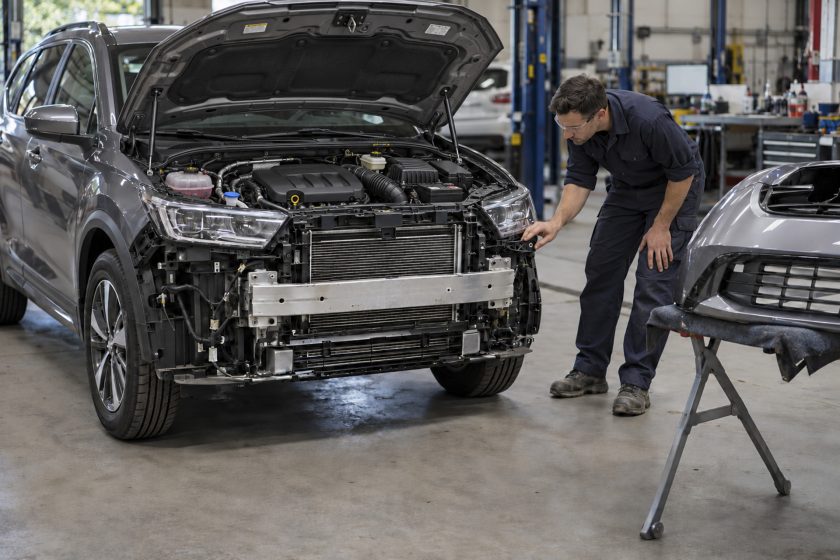
“Imagine buying a new car, having a relatively minor accident and then discovering that a replacement bumper, headlight or body panel could take months to arrive. Your vehicle might be perfectly repairable, but without access to replacement parts, it’s going nowhere.”
Mr Charity said Australia’s independent automotive aftermarket already has extensive parts manufacturing, distribution and retail networks capable of supporting an increasingly diverse vehicle fleet.
“The independent aftermarket has the expertise, investment and established supply chains to help keep Australia’s vehicles on the road. Manufacturers need to work with the independent industry, not create unnecessary barriers to the development and supply of compatible replacement parts.
AAAA says the consequences of inadequate parts availability extend well beyond individual motorists, potentially contributing to prolonged repair delays, higher insurance costs and vehicles being prematurely written off.
“Competition in the replacement parts market helps keep repairs affordable and gives motorists genuine choice about where and how their vehicles are repaired. Where replacement parts are difficult to obtain, consumers ultimately pay the price through longer repair delays, higher costs and reduced vehicle choice” Mr Charity said.
Australia’s consumer protection laws already place obligations on manufacturers and importers concerning spare parts and repair facilities. However, AAAA believes the rapid expansion of vehicle brands makes it timely to examine whether existing arrangements adequately support consumers and competition in the replacement parts market.
Mr Charity stressed that the issue was not about where vehicles were manufactured.
“We welcome new brands, new technologies and greater competition in Australia’s vehicle market. But competition shouldn’t end when a customer drives their new car out of the showroom.
“Regardless of where a vehicle is manufactured, consumers deserve access to a competitive replacement parts market for the life of that vehicle.”
AAAA wants the Government to consider requiring manufacturers and importers to demonstrate adequate arrangements for ongoing parts support when entering the Australian market.
This should include how manufacturers engage with independent parts suppliers and distributors, whether existing consumer protections are sufficient, and whether unnecessary barriers are preventing competitive replacement parts supply.
“We’re not suggesting every replacement part needs to be sitting on a shelf in Australia, or that manufacturers must supply every component themselves,” Mr Charity said.
“But they should be prepared to work with the businesses that manufacture, import and distribute replacement parts across this country.
“Getting a vehicle approved for sale shouldn’t be the end of the conversation about a manufacturer’s responsibilities. If you want to sell cars in Australia, you need to be prepared to support a competitive market that can keep them on the road.”